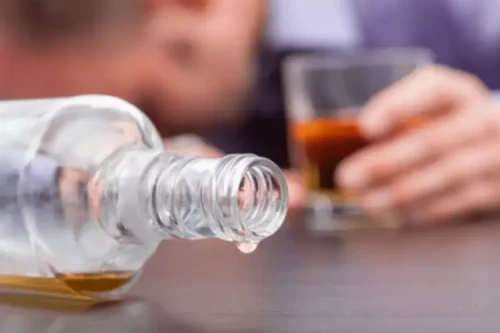
Alcohol is removed from the blood at a rate of about 3.3 mmol/hour (15 mg/100 ml/hour), but this varies in different people, on different drinking occasions, and with the amount of alcohol drunk.drunk. Alcohol’s impact on your body begins with the first sip, however long-term use of alcohol can take its toll on your body. A glass of wine a day isn’t going to do serious damage to your health, however, if it becomes a habit and you have a hard time stopping after one glass, the long-term effects begin to add up.
- Of all your body’s organs, your liver takes the biggest hit when it comes to alcohol.
- Steatotic liver disease develops in about 90% of people who drink more than 1.5 to 2 ounces of alcohol per day.
- A small amount is also eliminated through breath, which is what breathalyzer tests measure.
- Under normal circumstances, acetate is oxidised in the liver and peripheral tissues to carbon dioxide and water.
Drink fluids
It can be hard to find (or even know) the balance of how much alcohol your body is able to handle. If you’re not sure if your drinking crosses a certain line or not, try measuring your alcohol intake. There has been some research conducted on how abstaining from alcohol detoxifies your liver how alcohol affects the kidneys over time. Your gut microbiome is a hotbed of bacteria that help keep your digestive system happy and healthy. The trillions of microbes in your colon and large and small intestines are critical to proper digestion. They also help fend off inflammation and support healthy metabolism.
How Your Body Metabolizes Alcohol
- There’s nothing wrong with celebrating with an alcoholic drink here and there.
- Remember that 20% of the alcohol content in one drink is absorbed into the bloodstream from your stomach.
- For example, if two people each have blood alcohol levels of 20 mg/dL, the alcohol will metabolize in about an hour in each person, but their BAC can be very different.
- About 5-10% of alcohol in the body is eliminated through urine, while the majority, around 90-95%, is processed by the liver.
In general, metabolites have less biological activity relative to the parent compound, although there are some exceptions to this rule, as we will see with ethanol. What equates to 1 drink depends on the size and type of alcoholic drink you have. You may be underestimating how much you drink because you (or your generous friend) aren’t using standard measurements.
Health Categories to Explore

Heavy drinking can also lead to a host of health concerns, like brain damage, heart disease, cirrhosis of the liver and even certain kinds of cancer. It is believed to activate the pleasure or reward centres in the brain by triggering release of neurotransmitters such as dopamine and serotonin. Alcohol produces a sense of wellbeing, relaxation, disinhibition, and euphoria.

“For patients who are left with cirrhosis after severe injury to the liver from alcohol, even one drink of alcohol is toxic to the liver,” cautions Dr. Lindenmeyer. If your liver has taken a hit from prolonged alcohol use, there are ways to give it — and the rest of your body — a break. Your body breaks alcohol down into a chemical called acetaldehyde, which damages your DNA. Damaged DNA can cause a cell to grow out of control, which results in cancerous tumors. When you drink too much alcohol, it can throw off the balance of good and bad bacteria in your gut. With continued alcohol use, steatotic liver disease can lead to liver fibrosis.
- People with this genetic mutation do not like to drink alcohol because it makes them feel bad.
- Figure 1.12 Watch how alcohol is metabolized in the liver when it binds to the enzyme, ADH.
- More than 90% of alcohol is eliminated by the liver; 2-5% is excreted unchanged in urine, sweat, or breath.
- And prolonged alcohol use can lead to mental health conditions like anxiety and depression.
Cancer risk
- In general, metabolites have less biological activity relative to the parent compound, although there are some exceptions to this rule, as we will see with ethanol.
- That’s because your body already has processes in place that allow it to store excess proteins, carbohydrates and fats.
- If you’re experiencing severe symptoms of alcohol withdrawal, be sure to talk to a healthcare provider.
- Alcohol produces a sense of wellbeing, relaxation, disinhibition, and euphoria.
Having food in your stomach can slow down the absorption of alcohol while you’re drinking. In most cases, deliberately increasing your blood glucose levels isn’t https://ecosoberhouse.com/article/alcohol-intolerance-symptoms-and-causes/ a good idea. However, the toxins in alcohol actually lower the amount of glucose in your bloodstream, which can lead to hypoglycemia (low blood sugar).
Other factors